
Lake Dredging in Austin and Lake Travis
Longhorn Docks dredges boat slips, coves and shoreline on Lake Travis and Lake Austin so your boat floats at today’s lake level, not the one the dock was built for. We handle the LCRA filing, any Army Corps or City of Austin paperwork, the excavation and the haul-off, then verify the depth with you before we leave. Most single-slip jobs cost $6,000 to $18,000 and finish in two to four days.
How Much Does Lake Dredging Cost in Austin?
Residential dredging on Lake Travis and Lake Austin runs $25 to $45 per cubic yard of material removed, plus a mobilization charge to get the excavator or barge to your shoreline. A single boat slip is usually 100 to 300 cubic yards, so most slip jobs land between $6,000 and $18,000. A full cove entrance or a shared channel for several docks runs higher. The table shows the jobs we quote most.
| Dredging job | Typical cost | Time on site |
|---|---|---|
| Single boat slip, dock stays in place | $6,000 to $18,000 | 2 to 4 days |
| Two-slip dock or slip plus swim area | $12,000 to $30,000 | 3 to 6 days |
| Slip and approach channel to open water | $15,000 to $40,000 | 4 to 8 days |
| Cove entrance or shared channel, several docks | $30,000 to $90,000 or more | 1 to 3 weeks |
| Dredging before a new dock build | $5,000 to $15,000 added to the build | 2 to 3 days |
| Spoil haul-off to a disposal site, per load | $350 to $600 | Included in schedule |
| Survey, drawings and LCRA, Corps or city filings | $1,500 to $4,000 | A notice for most slips; a permit review for jobs of 500 cubic yards or more |
Basis: Longhorn Docks estimates for Lake Travis and Lake Austin shoreline work, 2025 to 2026. Typical cost includes the filings, excavation, loading and haul-off of the spoil, and a depth check with you at the end. Rock, stumps and concrete debris are priced after we probe the slip.
What moves the number: how many cubic yards we remove, whether we can reach the slip with a long-reach excavator from your shore or need a barge, what the material is (soft silt loads fast, packed clay and rock do not), where the spoil goes, and whether the dock has to come out first. Our dock pricing guide covers what it costs to pair dredging with a new dock.
How Do You Know Your Slip Needs Dredging?
Lake Travis moves 30 feet or more between a wet spring and a dry fall, and silt from the creeks settles in the coves every time it does. These are the four calls we get most.
The boat sits on the bottom at normal lake level. If the prop is in the mud when the lake is anywhere near full pool, the slip has filled in and no amount of waiting will fix it. You need 4 to 5 feet under the hull to run a lift and leave safely.
The lift cannot drop low enough to float the boat off. Cradle bunks that stop in the silt before the boat floats put the whole load on the lift frame. That is the most common way a shallow slip turns into a boat lift repair.
Your cove goes dry before the main lake does. Coves at the mouth of Sandy Creek, Cypress Creek, Hurst Creek and the smaller draws on Lake Travis silt in faster than the open lake. On Lake Austin it is the creek mouths below the 360 bridge. If your neighbors are boating and you are not, the fix is depth, not a longer walkway.
You are planning a new dock or a bigger boat. A new slip set over two feet of silt is a slip you will dredge later with the dock in the way. Dredge first and we build the dock to the real bottom.
If any of these sound familiar, call (512) 200-4244 or send a few photos at low water. We can usually tell you from the photos whether dredging will solve it.

What Dredging Work Do We Do?
Boat Slip and Dock Dredging
We clear the silt and sediment under and around your slip so the lift drops fully and the boat floats at normal lake level. The dock stays in place on most jobs; we work around the pilings or lift the floating sections aside and reset them when the depth is right.
Cove and Channel Access
When the cove silts in faster than the lake drops, we cut a channel from your dock to open water deep enough to run at the levels you actually see each summer. Neighbors often share a channel job, which brings the per-dock cost down.
Creek Mouth and Silt Removal
Coves fed by a creek rebuild their silt bar after every flood. We remove the bar, shape the bottom so the next inflow carries past your slip instead of settling in it, and haul the spoil to an approved upland site.
Dredging Before a New Dock
The cheapest time to dredge is before the dock goes in. We set the slip depth, place the anchors or pilings to the real bottom, and file the dredging paperwork alongside the dock's permit so both jobs run on one schedule. Pairs with dock construction and renovation.
Spoil Haul-Off and Shoreline Restoration
Dredged material cannot be pushed back into the lake or left on the bank. We load it, haul it to a permitted disposal site or spread it upland where your permit allows, then regrade and stabilize the shoreline where the equipment worked.
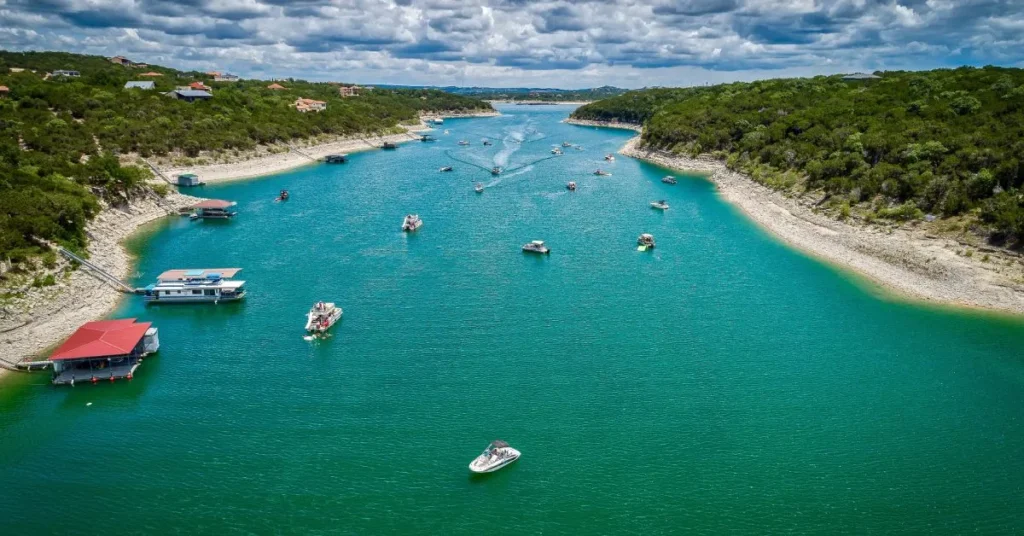
Excavator vs Barge vs Hydraulic Dredge: Which Fits Your Shoreline?
Long-reach excavator from shore. Our first choice for most single slips. The machine sits on your bank or driveway, reaches 40 to 60 feet out, and loads the spoil straight into a truck. Fastest, cheapest, and the only method that works when the slip is dry at low water. It needs a path to the shoreline that a tracked machine can use.
Excavator on a barge. For slips behind a bulkhead, below a steep lot, or further from shore than a long-reach can get. We float the excavator to the slip on a spud barge, dig, and shuttle the spoil to a landing by barge. Slower and more expensive to mobilize, but it reaches docks nothing else can.
Hydraulic dredge. A floating pump that moves silt and water through a pipeline to a settling area on land. The right tool for a large cove or a shared channel with hundreds of yards of soft silt, and the wrong one for a single slip or anywhere with rock, roots and construction debris. It also needs somewhere on your property for the water to settle out, which most Lake Travis lots do not have.
We pick the method on the shoreline walk, not from the office. On Lake Travis the deciding factor is usually lake level on the day we work: the lower the lake, the more we can do from shore. On Lake Austin, which holds a steady level, it is access and the bulkhead.
Do You Need a Permit to Dredge on Lake Travis or Lake Austin?
You need to tell LCRA, and bigger jobs need a permit. Dredging below the regulated pool level on the Highland Lakes falls under LCRA’s Dredge and Fill Ordinance, which sorts projects into tiers. A residential job that removes less than 500 cubic yards and disturbs less than 500 feet of shoreline is Tier I: no LCRA permit, just a written notification before work starts. Most single boat slips are 100 to 300 cubic yards, so they land here. Jobs of 500 cubic yards or more, or 500 feet of shoreline or more, are Tier II and need an LCRA permit, which is open to public comment.
The Army Corps of Engineers also has jurisdiction over dredging and fill under Section 404 of the Clean Water Act. Small residential projects usually fit a Nationwide Permit, such as NWP 19 for minor dredging, rather than an individual review. On Lake Austin, the City of Austin treats work below the water as part of its site plan process. Dredging without the right filing is the one shortcut that can bring a stop-work order and a restoration order on top of it.
We handle all of it: the survey, the drawing of the dredge area and depth, the volume calculation that sets the tier, the LCRA notice or application, any Corps or city filing, the spoil-site documentation and the final check. Our dock permit guide covers how the agencies split the work.


Why Dredge While the Lake Is Low?
Low water is the best thing that can happen to a dredging job. When Lake Travis drops into the 640s and 650s, the silt that buried your slip is sitting in open air. An excavator can reach it from shore, see what it is digging, load dry material that weighs less and hauls cheaper, and cut to an exact depth you can measure with a tape.
The same slip at full pool means a barge, a diver or a sounding pole to check depth, wet spoil that drips across your lot, and roughly half again the cost. We have watched owners wait through a low year hoping the lake would come back, then pay more to do the job from a barge once it did.
Lake Austin is the exception. LCRA holds it at a constant level, so there is no low-water window to wait for, and most Lake Austin dredging is done from a barge or from the bank behind the bulkhead year round.
If your slip is dry or nearly dry right now, send photos. Every week the lake stays down is a week we can dredge from shore.
How Does a Dredging Project Work?
1. Walk the Shoreline
We probe the slip to find out what is down there and how deep the silt goes, measure the area, check how a machine reaches the water, and give you a cubic-yard estimate and a price on the spot.
2. Permit and Survey
We draw the dredge area and target depth, calculate the volume, file the LCRA notice or permit and any Corps or city paperwork, and line up the spoil site. You sign; we chase it. Most single slips need only a notice, so they move fastest.
3. Dredge and Haul
Two to four days on site for a single slip. We protect the lawn and driveway with mats, dig to the permitted depth, load the spoil as we go, and keep silt out of the lake with a turbidity curtain where the permit calls for one.
4. Verify Depth and Restore
We sound the slip with you, confirm the depth against the drawing we filed, regrade and seed where the machine worked, and close out the filing with LCRA so the record is clean.
How Do You Keep a Dredged Slip From Filling Back In?
A dredged slip on Lake Travis holds its depth for eight to fifteen years in most coves. The ones that fill back in sooner almost always share a cause you can fix.
Stop the silt at your own bank. Bare slopes, a washed-out driveway and a downspout aimed at the lake all deliver dirt straight into the slip. Rock, native grass or a small shoreline stabilization wall on the bank above the dock does more for depth than any amount of dredging.
Over-dredge by a foot. We cut the slip a foot deeper than the depth you need today. That foot is the buffer that absorbs the next flood’s silt without putting the boat back on the bottom.
Shape the bottom, do not just dig a hole. A slip dredged as a bowl traps silt. A slip dredged with a gentle fall toward open water lets the creek current carry fine material past instead of dropping it at your lift.
Look at it every spring. After a high-water winter, sound the slip with a weighted line from the dock. If you have lost more than a foot, call us before the lake drops and the job gets harder.
Pick the right dock for the lake. On a lake that swings 30 feet, a floating dock on an anchor system rides the level up and down and keeps the boat over the deepest part of the slip. A fixed slip set for full pool is the one that strands first.
Lake Dredging FAQs
Most single boat slips on Lake Travis and Lake Austin cost $6,000 to $18,000 to dredge, based on $25 to $45 per cubic yard plus mobilization. A slip with an approach channel to open water runs $15,000 to $40,000, and a shared cove entrance for several docks $30,000 and up. The price includes the LCRA notice or permit filing, excavation, haul-off and a depth check with you at the end.
Usually a notice rather than a permit. Under LCRA’s Dredge and Fill Ordinance, residential dredging of less than 500 cubic yards that disturbs less than 500 feet of shoreline needs only a written notification to LCRA, and most single slips fall in that range. Larger jobs need an LCRA permit. The Army Corps of Engineers also has jurisdiction under Section 404, and small residential projects usually fit a Nationwide Permit. On Lake Austin, the City of Austin reviews work below the water through its site plan process. We prepare and file all of it as part of the job.
Plan on 4 to 5 feet of water under the hull at the lake level you actually see most summers, not at full pool. That gives a lift room to drop fully and a buffer for the next low year. We usually over-dredge by about a foot so the slip stays usable after the next flood brings silt in.
Usually not. We work around pilings with a long-reach excavator or from a barge, and we float aluminum dock sections aside and reset them if the slip is tight. A dock in poor shape is the exception: if it is due for renovation or replacement anyway, pulling it and dredging the open slip is faster and cheaper than working around it.
Off your shoreline. Dredged material cannot be pushed back into the lake or piled on the bank. We load it into trucks or a barge and haul it to a permitted disposal site, or spread it on an upland part of your property if the rules allow and you want the fill. Haul-off is priced per load and shown in your quote.
Eight to fifteen years in most Lake Travis and Lake Austin coves, longer in coves without a creek feeding them. Slips that refill faster are almost always catching runoff from their own bank; stabilizing the slope above the dock does more for depth than dredging again. Sound the slip each spring and call if you have lost more than a foot.
Related Services and Guides
What Our Clients Are Saying

Slip Too Shallow to Use?
Tell us which lake you are on, how the slip looks at low water and whether a machine can reach your shoreline. Call (512) 200-4244 or send the form with a couple of photos. We walk the shoreline within a week and quote the dredging and the permit together.